

Vertical: Ports
Application: Drone-based crane inspections, underwater monitoring, oil spill response, autonomous surface vessels, real-time sensor data transmission
Ecosystem: LMT, Beyron, SUBmerge Baltic, LVR Fleet
Private Network: 5G
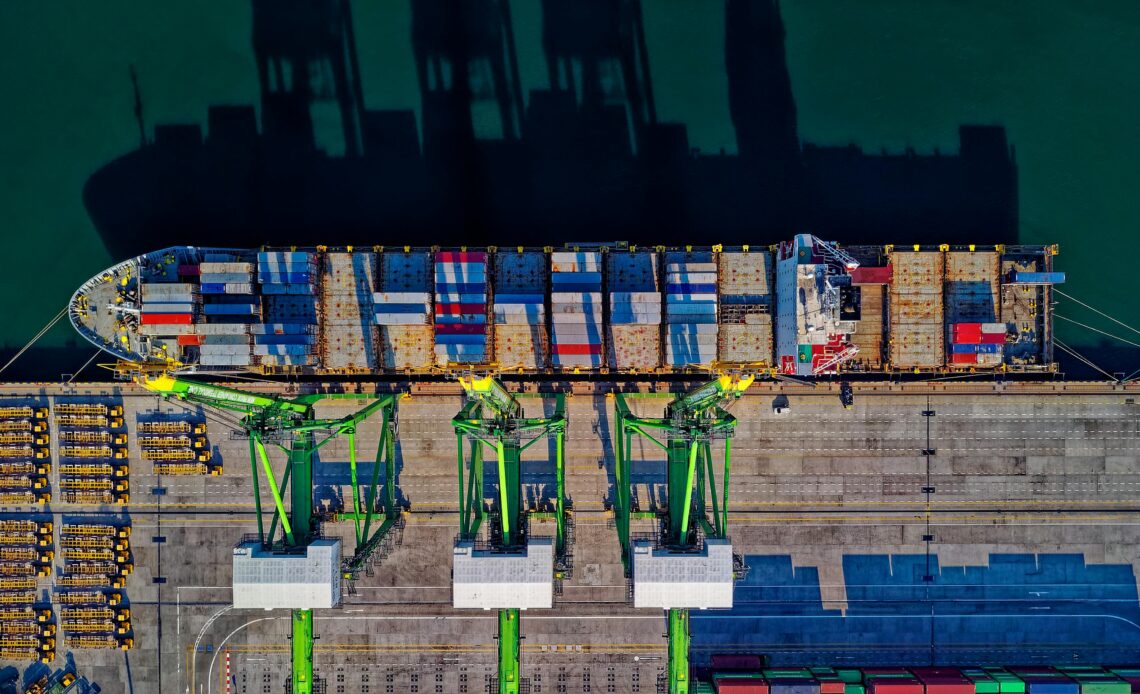
The Baltic Container Terminal at the Freeport of Riga recently became the stage for a comprehensive demonstration of how private 5G networks can reshape port operations. Latvia’s mobile connectivity leader LMT showcased a complete ecosystem of connected technologies during the Techritory Forum, drawing international delegations from Germany, Italy, Slovenia, the UAE, and the Netherlands to witness the practical applications of high-speed wireless connectivity in maritime environments.
The demonstration highlighted multiple operational capabilities enabled by the private 5G infrastructure deployed throughout the port. Automated drones performed crane inspections in real-time, while underwater drones monitored water quality and demonstrated oil spill collection capabilities. Unmanned Surface Vehicles handled cargo operations and environmental surveillance tasks, all connected through the LMT 5G core that serves as the backbone of the port’s digital infrastructure.
“Maritime connectivity has been an underdeveloped area in telecommunications,” noted Juris Binde, President of LMT. “At the same time, ports are critical infrastructure of national and international importance, both in terms of supply chain efficiency and national defence.” The network enables continuous high-speed connectivity across the entire port area, allowing systems that previously operated independently to communicate and coordinate in real-time.
The collaboration between the Freeport of Riga Authority, LMT, and subsidiary LVR Fleet began in 2020, providing a practical testing environment for 5G and drone-related technologies under actual operating conditions. Partner companies including Beyron contributed automated drone inspection capabilities, while SUBmerge Baltic provided underwater intruder detection systems. The demonstration also featured AI-driven analysis of underwater irregularities and real-time transmission of hydrography sensor data from ship to shore.
“For us, being a port authority means playing a key role as an enabler of new technologies — strengthening our competitive advantage, facilitating the energy transition, and increasing our resilience for the future,” explained Ansis Zeltins, CEO of the Freeport of Riga Authority. This vision has positioned the port as a testing ground for innovations that could shape maritime operations across the region.