

Vertical: Ports
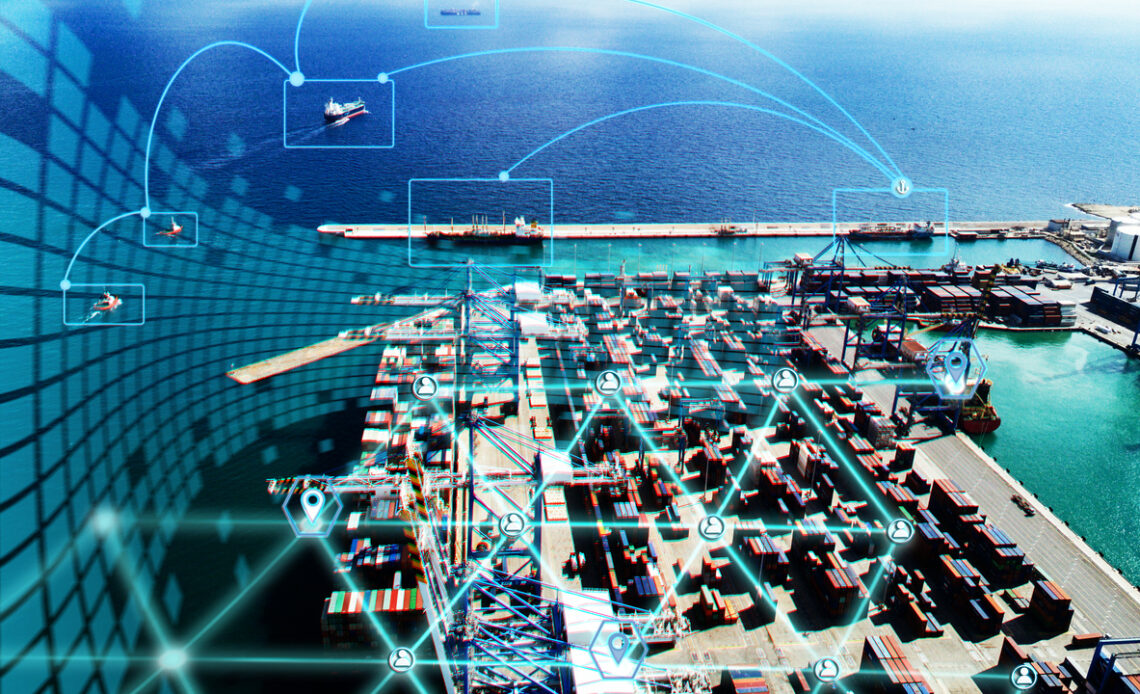
Application: Automated container handling, remote crane control, drone-based inventory monitoring, smart truck weighing systems, rail traffic optimization, autonomous vehicle maneuvers
Ecosystem: COCUS AG (system integrator), Airspan Networks (radio equipment)
Private Network: 5G
COCUS AG, a global solutions provider, has positioned itself as a leading implementer of private 5G networks in the German port sector. The company specializes in scalable digital solutions spanning connectivity, infrastructure, and security. Their portfolio includes comprehensive 5G private network solutions and Industry 4.0 applications designed to enable connected digital operations.
The deployments support government-funded research projects including PORTABLE 5.0 and IHATEC (Innovative Port Technologies), both backed by the Federal Ministry for Digital and Transport. Each port location focuses on specific automation use cases tailored to their operational requirements.
At Seehafen Wismar, the focus centers on optimizing seaport efficiency through the PORTABLE 5.0 project. Use cases include real-time scheduling optimizations with local companies, semi-automation of ship loaders and timber transport vehicles, and automated drone operations for remote maintenance and bulk material measurement. The network enables secure, real-time transmission of video streams and telemetry data from vehicles and cranes throughout the port facility.
Havelport Berlin has created a digital test field for extensive logistics process automation. The port implements a smart truck weighing system to optimize dispatch operations, expecting to increase annual weighings from 25,000 to approximately 40,000 through digital automation. Additional applications include automated inventory monitoring via industrial drones, autonomous driving maneuvers within the port area, and automated routes between the port and container terminal.
Hafen Trier concentrates on smart traffic control and rail movement management. The port collaborates with COCUS to optimize and digitalize rail traffic control using dedicated 5G infrastructure. The implementation includes a specialized test field supporting real-time control and analysis of rail operations, enabling data-driven decisions and enhanced efficiency.
The technical implementation relies on Airspan Networks’ open RAN technology for radio access network components. COCUS has developed its own 5G standalone packet core software, creating one of the first German-developed open RAN-based 5G systems. This approach enables flexible operation of software and hardware components from different vendors, providing vendor-agnostic deployment options.
Network infrastructure deployment involves comprehensive site preparation including fiber optic cable installation and strategic antenna placement across port facilities. The systems support both indoor and outdoor coverage requirements with hybrid deployment capabilities. Equipment includes networked truck weighing units, terminal installations, and specialized antennas designed for maritime environments.
The port deployments demonstrate practical applications of private 5G networks for critical infrastructure operations. Real-time video transmission, telemetry data collection, and remote equipment control showcase the technology’s ability to support latency-sensitive applications in challenging maritime environments. The networks provide dedicated bandwidth, enhanced security, and operational control compared to public cellular infrastructure.
Operational benefits include improved process efficiency, reduced manual intervention requirements, and enhanced safety through remote monitoring capabilities. The automated systems enable ports to address increasing cargo volumes while managing skilled workforce limitations. Digital solutions support environmental sustainability goals through optimized resource utilization.